|
Celebrating 33 years providing high quality products and advice.
|
| Our Local Time Is 7:53:38 PM. |
| Call us at 818-786-0600. We are here to help! |
 |
ON SALE NOW
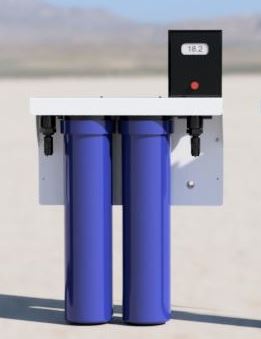
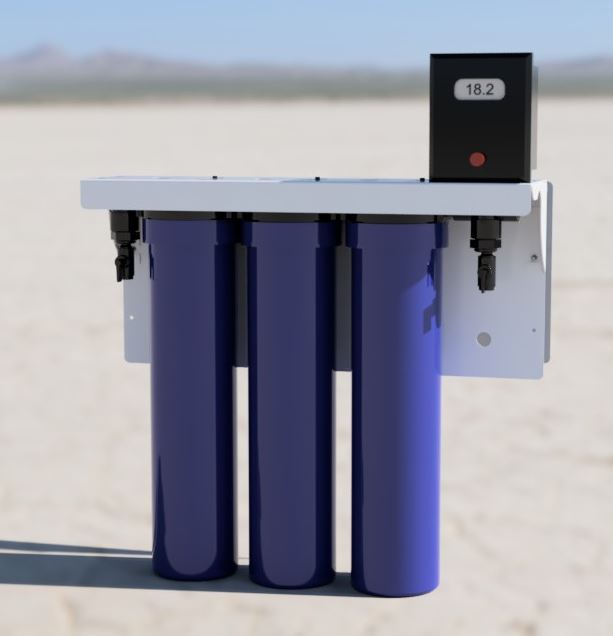
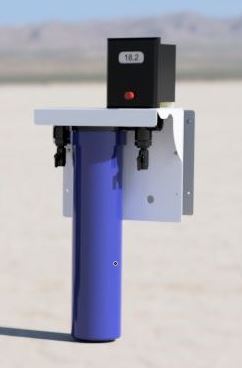
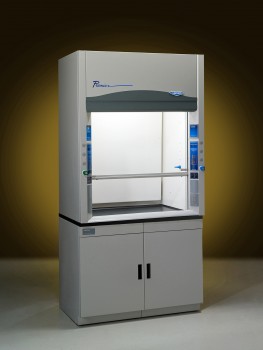
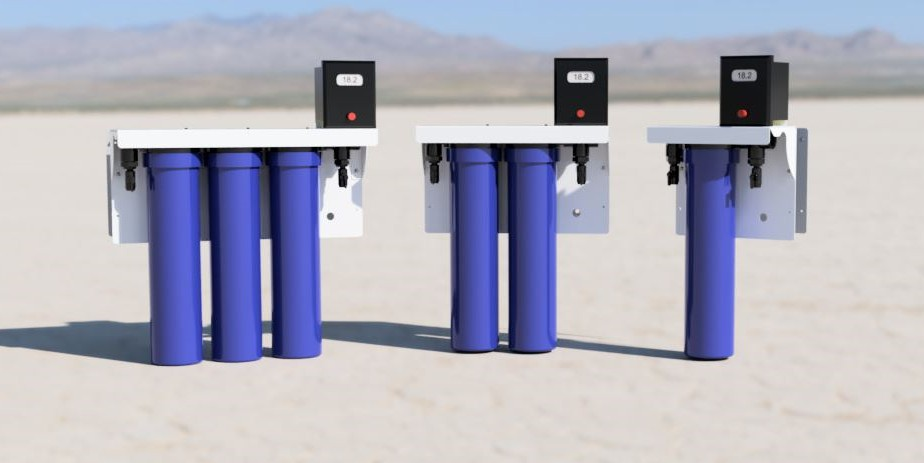
Introducing the Polaris Lab Water Systems
High Purity Water Made In The USA.
Click here for more info. |
About Grades of Glass Micro Fiber Depth Filters
In depth filters such as glass micro fiber, the purity of the filter is dictated by the presence of, if any, binder material that acts as a strengthening agent and aids in holding the fibers together.
Because of the characteristically high flow rates of depth filters, they are generally used in applications such as single and multi process removal of sediment and course particulate. Glass micro fiber filters are available without binders, making the inert matrix an ideal medium to entrap sediment for further analysis and counting. Also, depth filtration media is commonly used as pre-filtration prior to surface filtration substrates such as membranes.
See All Glass Microfiber Filtration - Flat Stock Filter Paper
See all Lab Filters
Lab Membrane Properties
934-AH - Fine porosity, fast flow rate, with a 1.5m size particle retention. This material is the standard for suspended particle analysis in water and cell harvesting. RIA scintillation counting. Binderless borosilicate glass microfiber.
Grade TCLP - Binder-free, Borosilicate Glass fiber filters have 0.7 micron pore size, meet U.S. EPA Method No. 1311 requirements for Toxicity Characteristic Leaching Procedure (TCLP).
Grade A - Fine porosity, fast flow rate, with a 1.6m size particle retention. Frequently used in the filtration of precipitated proteins and cells. Ideally suited for use as a filter for radioimmuno assay of weak beta emitters by scintillation counting and gravimetric determination of airborne particulate. Binderless borosilicate glass micro fiber.
Grade B - Fine porosity, medium to fast flow rate, with a 1.0m size particle retention. Ideally suited for the collection of biochemical polymers that have been precipitated by denaturation. This material is twice as thick as Grade A with a higher loading capacity. May also be used as a solid particulate filter for gasses or as a prefilter. Binderless borosilicate glass microfiber.
Grade C - Fine porosity, fast flow rate, with a 1.2m size particle retention. Primarily used for RIA procedures and harvesting lymphocytes. Binderless borosilicate glass microfiber.
Grade C has several sub groups as follows
CFP1: Very widely used filter media demonstrating a retention of approximately 11m and medium flow rate. Used in a broad range of laboratory and environmental applications, this media is ideally suited in separating lead sulfate, calcium carbonate and calcium oxalate precipitates. This media is the standard for agricultural procedures such as soil and seed sample testing. Also, it is commonly used as a separation media in the food and beverage industry to extract liquids from solid samples.
Due to the consistent bright white color of this media, it is ideal for photometric stain intensity measurement of air samples. The media can also be impregnated with reagents for use in quantifying optical reflectance in gas detection procedures.
CFP2: More retentive and absorbent media that CFP1, with approximately 8m and a medium to slow flow rate. This media is ideal for general filtration and absorbent conveyance. Commonly used in plant growth trials and monitoring pre-isolated contaminants in air and gas.
CFP3: Virtually identical to CFP1, but twice as thick resulting in a significantly slower flow rate with a retention of approximately 6m. This media does not clog as easily as the other qualitative cellulose types, which allows for much higher sample volume usage. This media also demonstrates very high levels of absorbency, permitting the media to be used as a sample conveyance substrate.
CFP4: The fastest flow rate demonstrated by any of the qualitative cellulose filter media resulting in a low retention rate of approximately 20-26m. Very commonly used as the first media in a multi-stage filtration process. Ideally suited for use in organic extractions and biological fluid separation processes. Often specified in air monitoring applications where the entrapment of fine particulate is not required.
Grade D - Coarse porosity, fast flow rate, with a 2.7m size particle retention. Well suited for higher volume and repetitive laboratory filtering. Also ideally used as a general pre-filter to extend primary filter life. Binderless borosilicate glass microfiber.
Grade E - Fine porosity, fast flow rate, with a 1.3m size particle retention. This material is an economical media for suspended particle analysis in water, cell harvesting, pre-filtration and air monitoring applications. Binderless borosilicate glass microfiber.
Grade F - Fine porosity, medium flow rate, with a 0.7m size particle retention. Frequently used with Grade D to filter diluted aqueous solutions containing strong oxidizing, acidic, or alkaline components prior to laser spectroscopy. May also be used for TCLP analysis and collecting extremely fine precipitated proteins, including immunoglobulins.Binderless borosilicate glass microfiber.
Grade A-E - Fine porosity and fast flow rate, with a 1.0m size particle retention. Binderless borosilicate glass microfiber.
DOP efficiency is 99.98%. Primarily used in suspended solids and air monitoring.
Quartz A - Fine porosity with a 99.999% efficiency in air filtration for the retention of 0.6m particles in air at a flow rate of 5cm/second. Primarily used in air pollution monitoring, atomic absorption spectroscopy, flame emission spectrometry and other applications where an extremely critical analysis is needed. Effective temperature range of up to 1000C. Binderless quartz micro fiber.
See all Lab Filters
See All Glass Microfiber Filtration - Flat Stock Filter Paper
|
Images are representative of the products. Images may or may not be of the actual product. If it is important e-mail us for an actual image if available.
* Flat Rate UPS shipping when able to ship via UPS and is in the USA excluding Hawaii and Alaska.
Larger Items may not be able to ship via UPS, in that case freight charges will be quoted seperately.
International shipping will be quoted after the order is placed. You will have the opportunity to cancel before we finalize your order.
Terms and conditions
Credit Application
Privacy
Policy
List All Products
|